
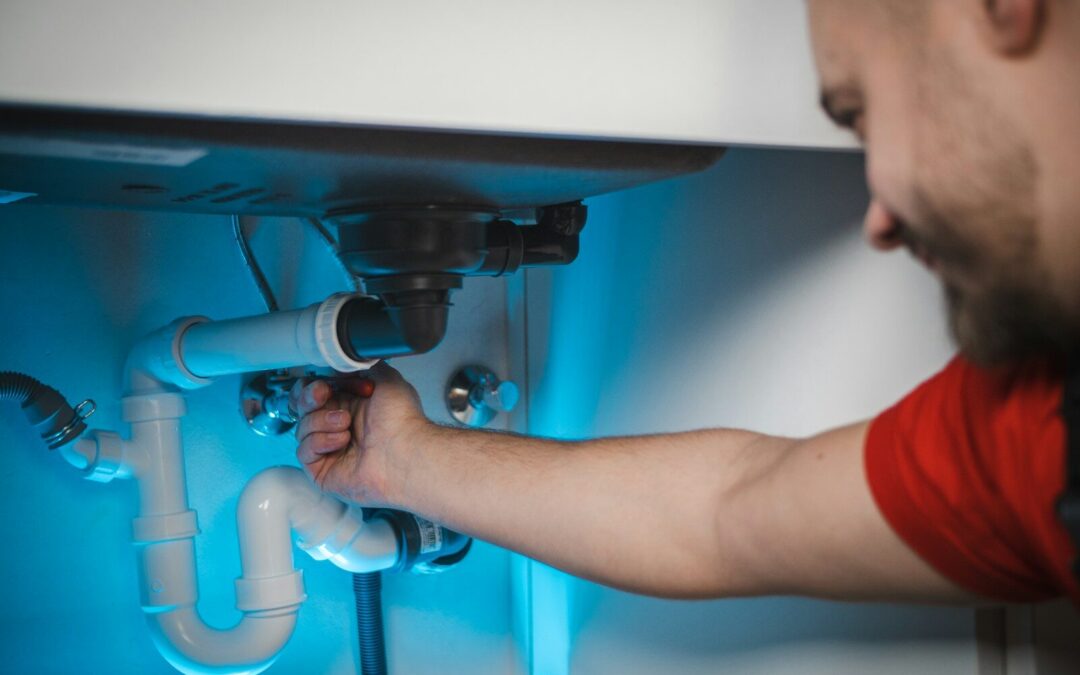
Summer Plumbing Tips Montreal: Protect Your Home During Heat Waves
Why Summer Matters for Plumbing
Montreal summers combine extreme heat (35°C+ humidex), intense thunderstorms, and heavy rainfall — a perfect combination for plumbing emergencies. Heat waves stress pipes and water heaters, storms overwhelm combined sewers causing backups, and increased water usage pushes your residential plumbing to its limits. Proactive plumbing maintenance before and during summer prevents the most expensive and disruptive failures.
A $150 – $300 summer maintenance visit can prevent $3,000 – $50,000+ in emergency repairs and water damage.
Montreal homeowners spend months preparing for winter — insulating pipes, servicing furnaces, clearing drains before the freeze. But summer brings its own set of serious residential plumbing challenges that most people overlook. Heat waves stress pipe joints and water heaters, intense July thunderstorms can send sewage backing up into basements, tree roots grow aggressively into sewer lines during peak growing season, and higher water usage from gardens, pools, and more frequent showers pushes your plumbing system harder than any other season.
This guide covers the 10 most important summer plumbing maintenance steps for Montreal homeowners, how to prepare for storm-season sewer backups, what to check before leaving for vacation, and when to call for professional plumbing services Montreal residents can rely on.
10 Essential Summer Plumbing Tips for Montreal Homes
Test Your Sump Pump Before Storm Season
Your sump pump is your basement’s first line of defence against summer flooding. Pour a bucket of water into the sump pit to confirm the float switch activates and the pump discharges properly. Check that the discharge line drains at least 2 metres away from your foundation. Clean any debris from the pit. If your pump is over 7 years old or runs sluggishly, schedule replacement before the first major storm — not during it. Consider a battery backup system that keeps working during power outages, which are common during Montreal’s severe summer thunderstorms.
Inspect and Test Your Backflow Valve
Montreal neighbourhoods with combined sewer systems — Plateau, Rosemont, Villeray, Verdun, Mercier, parts of NDG — are especially vulnerable to sewer backups during heavy summer rainfall. Open your backflow valve access pit and visually inspect the flap for debris, damage, or corrosion. If you do not have a backflow valve and your home has below-grade fixtures (basement toilets, sinks, floor drains), schedule installation before July storm season. Montreal By-Law 11-010 requires them.
Check All Outdoor Hose Bibs and Taps
After a long Montreal winter, outdoor taps may have sustained frost damage. Turn on each hose bib and inspect for leaks at the handle, spout, and wall connection while someone watches inside for moisture at the pipe entry point. A slow drip from a frost-cracked hose bib can waste thousands of litres over a summer and cause hidden wall damage. Replace any damaged bibs before connecting garden hoses.
Clean Floor Drains and Basement Drain Traps
Basement floor drains can dry out during warm months, allowing sewer gas to enter your home and losing the water seal that prevents backflow. Pour a litre of water down every basement floor drain monthly during summer to maintain the trap seal. Clear any debris from the drain grate. If water drains slowly, schedule professional drain cleaning before storm season to ensure the drain can handle high volumes.
Flush Your Water Heater
Summer is the ideal time to flush your water heater. Montreal’s moderately hard water (~116 PPM) causes sediment to accumulate on the tank bottom after every heating cycle. An annual flush removes this buildup, improves efficiency, and extends the unit’s lifespan by 2 – 5 years. If you have not flushed your tank in over a year, schedule this as part of your summer plumbing maintenance routine.
Inspect Exposed Pipes for Heat Stress
During heat waves (35°C+ humidex), exposed pipes in garages, crawlspaces, and near exterior walls experience thermal expansion that stresses joints, fittings, and soldered connections. Inspect visible pipes for signs of moisture, discolouration, or small drips at joints. If your home has older copper or galvanised pipes, heat-stress leaks are more common. Early detection through a quick visual inspection prevents a small drip from becoming a burst pipe. Proper pipe insulation helps buffer temperature extremes in both winter and summer.
Watch for Tree Root Intrusion
Summer is peak growing season for Montreal’s silver maples, elms, and lindens. Tree roots aggressively seek moisture and can penetrate tiny cracks in your sewer lateral, causing slow drains, gurgling toilets, and eventually complete blockages. If you have mature trees within 3 metres of your sewer line and are experiencing slow drainage, schedule a drain camera inspection to check for root intrusion before it becomes a full backup. Early detection saves thousands in emergency repair costs.
Check Washing Machine Hoses
Rubber washing machine hoses are one of the most common causes of residential water damage. Summer heat accelerates rubber deterioration, making old hoses more likely to burst. Inspect hoses for bulges, cracks, or stiffness. If your hoses are rubber and over 5 years old, replace them with braided stainless steel hoses ($15 – $30 each) that resist bursting. Also check that shut-off valves behind the machine turn freely — if they are seized, have them replaced during your next plumbing maintenance appointment.
Lower Your Water Heater Temperature
During summer, incoming water temperatures rise from 4 – 6°C (winter) to 15 – 20°C. Your water heater does not need to work as hard. Lowering the thermostat from 140°F to 120°F (60°C to 49°C) reduces energy consumption, slows sediment buildup, and reduces thermal stress on the tank. You will not notice a difference in shower comfort but you will notice lower Hydro-Québec bills. If you are away on vacation, drop the temperature to the lowest “vacation” setting or turn the unit off entirely.
Know Where Your Main Shut-Off Valve Is
In a plumbing emergency — a burst pipe, a failing water heater, or a major leak — every minute counts. Locate your main water shut-off valve now (usually near the water meter in your basement) and make sure it turns freely. If it is seized, corroded, or difficult to operate, have it replaced. In the event of a sudden failure during a summer heat wave, shutting off the water in seconds versus minutes can mean the difference between a minor inconvenience and thousands in water damage.
Montreal Summer Storms and Sewer Backup Prevention
Montreal’s combined sewer system is the city’s biggest summer plumbing vulnerability. Neighbourhoods like the Plateau, Rosemont, Villeray, Verdun, and Mercier handle both rainwater and sanitary sewage in the same pipes. During intense summer thunderstorms — which Montreal experiences 15 – 20 times per season — the system can become overwhelmed. When capacity is exceeded, pressure reverses and sewage can back up through basement floor drains, toilets, and fixtures.
15 – 20
Significant thunderstorms per Montreal summer
$10K – $50K+
Average cost of a single sewer backup flood
$750 – $2,500
Backflow valve installation cost
Your complete summer storm defence for residential plumbing includes four layers: a functioning backflow valve on every below-grade fixture drain, a tested and reliable sump pump with battery backup, clear and recently cleaned sewer laterals, and regular drain cleaning to ensure fast drainage under high-volume conditions. If any layer is missing, schedule plumbing services Montreal professionals before the storm season peaks in July and August.
Vacation Plumbing Checklist: Before You Leave Montreal
Heading to the cottage or travelling this summer? An empty home is especially vulnerable to undetected leaks, sump pump failure during storms, and water damage that can worsen for days before anyone notices. Complete this checklist before you leave:
☐ Shut off the main water supply if you will be gone more than 48 hours. This prevents leaks from causing damage while you are away.
☐ Turn off or lower the water heater to “vacation” mode. No reason to heat water nobody is using.
☐ Test the sump pump and confirm the battery backup is charged. Summer storms do not wait for you to return.
☐ Check the backflow valve — open the access pit and confirm the flap is clear and functional.
☐ Disconnect garden hoses from outdoor taps. A connected hose under pressure can burst or cause the tap to leak undetected.
☐ Turn off the washing machine supply valves. Hose failures are a leading cause of home water damage.
☐ Ask a neighbour or friend to check your home every 2 – 3 days, especially after major storms.
☐ Save your plumber’s number so the person checking your home can call immediately if they discover an issue. Emergency plumbing: (514) 316-9154.
Summer-Proof Your Plumbing Before the Heat Hits
CMMTQ-licensed. Sump pump testing. Backflow valve inspection. Full seasonal maintenance.
Summer vs Winter Plumbing Risks in Montreal
The table makes it clear: summer brings different but equally serious residential plumbing risks compared to winter. Montreal homeowners who schedule plumbing maintenance only in the fall are missing half the picture. A spring or early summer maintenance visit addresses storm preparedness, root intrusion detection, and outdoor plumbing inspection — the three biggest summer-specific threats.
When to Call for Professional Plumbing Services in Summer
Many summer plumbing maintenance tasks are DIY-friendly — pouring water down floor drains, inspecting hose bibs, checking washing machine hoses. But certain situations require a CMMTQ-licensed plumber:
Slow drains in multiple fixtures — suggests a main line issue, potentially root intrusion or buildup that needs professional drain cleaning or camera inspection.
Sewer odour in the basement — indicates a dried trap, broken seal, cracked pipe, or venting issue that needs diagnosis. Do not ignore this, especially before storm season.
Sump pump running constantly or not activating — could indicate a stuck float switch, check valve failure, or rising water table that requires professional assessment and possible pump replacement.
Visible leaks at any pipe joint, fitting, or fixture — even small drips. A minor leak in June becomes a major pipe repair in August if left unaddressed.
Water heater rumbling, rusty water, or inconsistent temperature — schedule a professional inspection. Summer is the best time for water heater service because demand is lower and emergency scheduling is easier than in winter.
Backflow valve installation or inspection — required by Montreal By-Law 11-010 for below-grade fixtures. A professional ensures the valve is properly installed, tested, and compliant with the RBQ Quebec Construction Code.
How Montreal’s Climate Makes Summer Plumbing Different
Montreal is not Phoenix or Miami — our summer plumbing risks are uniquely shaped by the city’s infrastructure, geography, and climate patterns. Understanding these local factors helps you prioritise the right plumbing maintenance tasks.
Combined sewer systems: Unlike newer suburban developments with separated storm and sanitary sewers, many central Montreal boroughs still run combined systems. This single biggest factor makes summer storm-related sewer backups far more likely in Montreal than in most North American cities.
Aging housing stock: Many Montreal homes were built in the 1920s – 1960s with cast iron, galvanised steel, or clay drain pipes. These older materials are more susceptible to root intrusion, thermal expansion stress, and corrosion — all of which accelerate during summer. A drain camera inspection on older homes reveals vulnerabilities before they become failures.
Extreme temperature swings: Montreal swings from -30°C in January to 35°C+ humidex in July — a 65+ degree annual range. This massive thermal cycling stresses every pipe joint, fitting, and connection in your home year-round. Pipes that survived winter may develop summer leaks at joints weakened by the freeze-thaw cycle months earlier.
High water table in clay soil: Montreal sits on clay-heavy soil that retains moisture. During wet summers, the water table rises and puts hydrostatic pressure on your foundation — which is why a functioning sump pump with battery backup is not optional in Montreal, it is essential for protecting your residential plumbing and basement.
Summer Plumbing Maintenance Cost Summary
Every service listed above is a fraction of the emergency repair cost it prevents. Proactive summer plumbing services Montreal homeowners invest in pays for itself many times over — often within a single avoided emergency call.
Summer Plumbing Montreal FAQ
Does summer heat actually affect plumbing in Montreal?
Yes. Heat waves cause pipe expansion at joints and fittings, increasing the risk of small leaks. High humidity accelerates corrosion on exposed basement pipes. More importantly, intense summer thunderstorms overwhelm Montreal’s combined sewer systems, creating sewer backup risk. Tree roots also grow aggressively into sewer lines during summer. All of these factors make seasonal plumbing maintenance essential.
How do I prevent sewer backup during Montreal summer storms?
Install and maintain a backflow valve on every below-grade fixture drain (required by By-Law 11-010). Test your sump pump monthly and ensure the battery backup is charged. Schedule professional drain cleaning to keep your sewer lateral clear. Neighbourhoods with combined sewers — Plateau, Rosemont, Villeray, Verdun — should prioritise all four layers of protection.
Should I turn off the water when leaving for vacation?
Yes — if you will be away for more than 48 hours, shutting off the main water supply is the safest choice. This prevents any leak from running undetected and causing extensive water damage. Also lower or turn off the water heater, test the sump pump, and disconnect garden hoses. Ask someone to check your home every 2 – 3 days during your absence.
How often should I test my sump pump in summer?
Test your sump pump monthly during summer and after every major storm. Pour a bucket of water into the pit — the float switch should activate and the pump should discharge within seconds. If it hesitates, runs continuously, or fails to activate, call for plumbing services Montreal professionals for immediate diagnosis. A sump pump failure during a thunderstorm can flood your basement in under an hour.
Why does my basement floor drain smell in summer?
The water in the drain trap evaporates during warm, dry periods, breaking the seal that blocks sewer gas from entering your home. Pour a litre of water down the floor drain every 2 – 4 weeks during summer to maintain the trap seal. If the smell persists after refilling, there may be a cracked trap, broken seal, or venting issue that requires professional inspection.
Can tree roots really damage my sewer line in summer?
Absolutely. Summer is peak growth season for roots. Montreal’s silver maples, elms, and lindens send roots aggressively toward moisture sources — including tiny cracks in your sewer lateral. Roots can block the pipe partially (causing slow drains) or completely (causing a backup). A drain camera inspection identifies root intrusion early, and hydro jetting or mechanical cutting can clear roots before they cause a full blockage.
Is summer a good time for plumbing maintenance?
Summer is actually the ideal time for several key tasks: flushing your water heater (lower demand means easier scheduling), inspecting the sewer line for roots (peak growth season), testing flood prevention equipment (before storm season), and inspecting outdoor plumbing that was winterised. A comprehensive summer plumbing maintenance visit typically costs $150 – $300 and addresses all seasonal risks.
How much does a summer plumbing checkup cost in Montreal?
A comprehensive summer plumbing maintenance visit runs $150 – $300 depending on the scope. This typically includes sump pump testing, backflow valve inspection, water heater flush, outdoor tap check, and a visual inspection of visible pipes and drains. Adding a drain camera inspection costs an additional $150 – $350 and is recommended if you have mature trees near your sewer line.
What should I do if my basement floods during a summer storm?
Do not enter standing water if there is any risk of electrical contact. Turn off power to the basement at the breaker panel if safe to do so. Do not use any drains or flush toilets. Call an emergency plumber immediately — sewage backups require professional cleanup for health and safety. Document the damage with photos for your insurance claim. If possible, shut off the main water supply to prevent additional water entry.
Where can I find summer plumbing services near me in Montreal?
Plumbing Montreal provides comprehensive summer plumbing maintenance, storm preparation, sump pump service, backflow valve installation, and 24/7 emergency response across all boroughs including Downtown, Plateau, Rosemont, NDG, West Island, Laval, and South Shore. Our CMMTQ-licensed plumbers help you summer-proof your residential plumbing before the heat hits. Call (514) 316-9154 to book your summer maintenance visit.
Don’t Let Summer Catch You Off Guard
CMMTQ-licensed — Sump pump testing — Backflow valve inspection — Drain cleaning
All Montreal boroughs — Downtown, Plateau, NDG, West Island, East End, Laval, South Shore
Related Summer Plumbing Services:
Plumbing Maintenance |
Sump Pump Installation |
Backflow Valves |
Drain Cleaning |
Camera Inspection |
Water Heaters |
Outdoor Taps |
Emergency Plumber