
Spring Plumbing Maintenance Checklist for Montreal Homeowners (2026)
After months of freezing temperatures, heavy snow, and freeze-thaw cycles, Montreal’s plumbing systems take a beating. Spring is the ideal time to inspect your home’s plumbing for winter damage, test critical systems like sump pumps before heavy rains arrive, and address small problems before they become expensive emergencies. A comprehensive spring plumbing checkup protects your investment, prevents flooding, and ensures hot water, drainage, and fixtures work reliably throughout the warmer months ahead.
This complete 2026 spring maintenance checklist guides Montreal homeowners through essential plumbing tasks: what to inspect, how to test key equipment, when to call professionals, and how to prevent the most common spring plumbing disasters. Whether you tackle some tasks yourself or schedule professional maintenance service, following this checklist saves money and gives you peace of mind as the weather warms up.
Why Spring Plumbing Maintenance Matters in Montreal
Montreal’s extreme winter weather stresses plumbing systems in ways homeowners don’t always see immediately. Ground freezes to significant depths, pipes expand and contract with temperature swings, ice dams form on roofs, and spring thaw sends torrents of water through foundations and drainage systems.
Many problems that develop during winter don’t become obvious until spring when you turn on outdoor faucets for the first time, heavy rains test your sump pump, or melting snow reveals cracks in foundation walls. By the time you notice water pooling in the basement or a slow leak under the kitchen sink, damage may already be extensive.
Spring maintenance catches these issues early when repairs are simpler and cheaper. It also prepares your plumbing for increased water usage during gardening season, pool filling, and summer showers.
Outdoor Plumbing: First Priority After Winter
Inspect Outdoor Faucets and Hose Bibs
Outdoor faucets are among the most vulnerable fixtures during Montreal winters. Even frost-free models can crack or develop leaks if not properly winterized.
Start by turning on each outdoor faucet fully and checking for steady flow. If water trickles, sprays from unexpected places, or you hear hissing sounds inside the wall, the faucet may have frozen and cracked during winter. Check inside the home near where outdoor faucets connect—look for water stains on walls or ceilings, dampness, or actual dripping.
A cracked outdoor faucet can leak significant water inside your walls all summer without you noticing until mold appears or drywall crumbles. If you find damage or suspect problems, professional faucet installation ensures proper replacement with frost-proof models designed for Montreal’s climate.
Reconnect Garden Hoses Properly
Before connecting garden hoses for the season, inspect them for cracks, holes, or damaged fittings. Replace worn hoses rather than dealing with constant drips and reduced water pressure all summer.
When attaching hoses to outdoor faucets, use rubber washers in the connections to prevent leaks. Check that shut-off valves inside your home (for outdoor water lines) are fully open and functioning smoothly.
Test Irrigation Systems
If you have an underground sprinkler system, spring startup requires careful inspection. Turn on each zone individually and watch for broken sprinkler heads, geysers indicating cracked underground pipes, or dry zones suggesting blockages.
Freeze damage to buried irrigation lines is common in Montreal. A professional plumbing inspection before the growing season prevents water waste and ensures even coverage for lawns and gardens.
Basement and Foundation Protection
Test Your Sump Pump
Your sump pump is the first line of defense against basement flooding during spring rains and snowmelt. Testing it before you need it is critical because a failed sump pump during a storm can flood your entire basement in minutes.
Pour several buckets of water directly into the sump pit until the float rises and activates the pump. The pump should turn on quickly, discharge water through the outlet pipe, and shut off when the water level drops. If it doesn’t activate, makes unusual noises, runs continuously, or fails to remove water efficiently, it needs service or replacement.
Also check the discharge pipe outside your home. Make sure it’s not blocked, frozen, or discharging too close to your foundation. Water should flow at least 6–10 feet away from the house to prevent it from seeping back into the basement.
Consider scheduling professional installation of a battery backup system if power outages are common in your area during spring storms.
Inspect Foundation for Cracks and Seepage
Walk around your basement looking for new cracks in foundation walls, water stains, efflorescence (white mineral deposits), or damp spots. Spring thaw puts enormous pressure on foundations as frozen ground melts and water seeks the path of least resistance.
Small hairline cracks may not be urgent, but any crack wider than a pencil line or areas where water actively seeps through require professional evaluation. Foundation issues only worsen over time and can lead to serious structural problems if ignored.
Clear Floor Drains
Basement floor drains can accumulate debris, sediment, and even freeze during winter. Pour a bucket of water into each floor drain to ensure it flows freely. If water drains slowly or backs up, the line may be clogged or partially frozen.
Sluggish floor drains are particularly concerning before spring rains because they can cause basement flooding when you need drainage most. Professional drain cleaning can clear stubborn blockages using specialized equipment that completely restores flow.
Water Heater Spring Service
Flush Your Water Heater
Over time, sediment from Montreal’s municipal water settles at the bottom of your water heater tank. This buildup reduces efficiency, shortens the unit’s lifespan, and can cause banging or popping noises during heating cycles.
Flushing removes this sediment. Turn off power to the heater (breaker for electric, gas valve for gas models), connect a garden hose to the drain valve at the bottom of the tank, and drain several gallons until the water runs clear. This simple maintenance task can add years to your water heater’s life.
If you’re uncomfortable performing this task or if sediment is severe, professional service ensures thorough flushing and inspection of all components.
Test the Pressure Relief Valve
The temperature-pressure relief valve is a critical safety device that prevents dangerous pressure buildup in your water heater tank. Lift the valve’s lever briefly—you should hear a rush of air or see water discharge through the overflow pipe. If nothing happens, the valve may be corroded and stuck, which is a safety hazard requiring immediate replacement.
Check for Leaks and Corrosion
Inspect around the base of your water heater, connection points, and the tank itself for signs of leaks, rust, or corrosion. Small drips can quickly escalate to major flooding, especially as aging tanks weaken.
If your water heater is more than 10 years old, showing signs of rust, or struggling to keep up with your household’s hot water needs, spring is an excellent time to consider replacement before it fails completely during a busy summer or next winter.
Indoor Fixture and Drain Maintenance
Check Toilets for Leaks
Toilet leaks waste enormous amounts of water and drive up utility bills. Add several drops of food coloring to the toilet tank (not the bowl). Wait 15–20 minutes without flushing. If color appears in the bowl, the flapper valve is leaking and needs replacement.
Also check around the base of each toilet for water stains or dampness, which can indicate a failing wax ring seal. Leaks at the base allow sewage to seep into flooring and subfloors, causing expensive damage and unpleasant odors.
If you notice persistent problems like running toilets or weak flushes, toilet repair services can quickly diagnose and fix issues before they worsen.
Inspect Under-Sink Areas
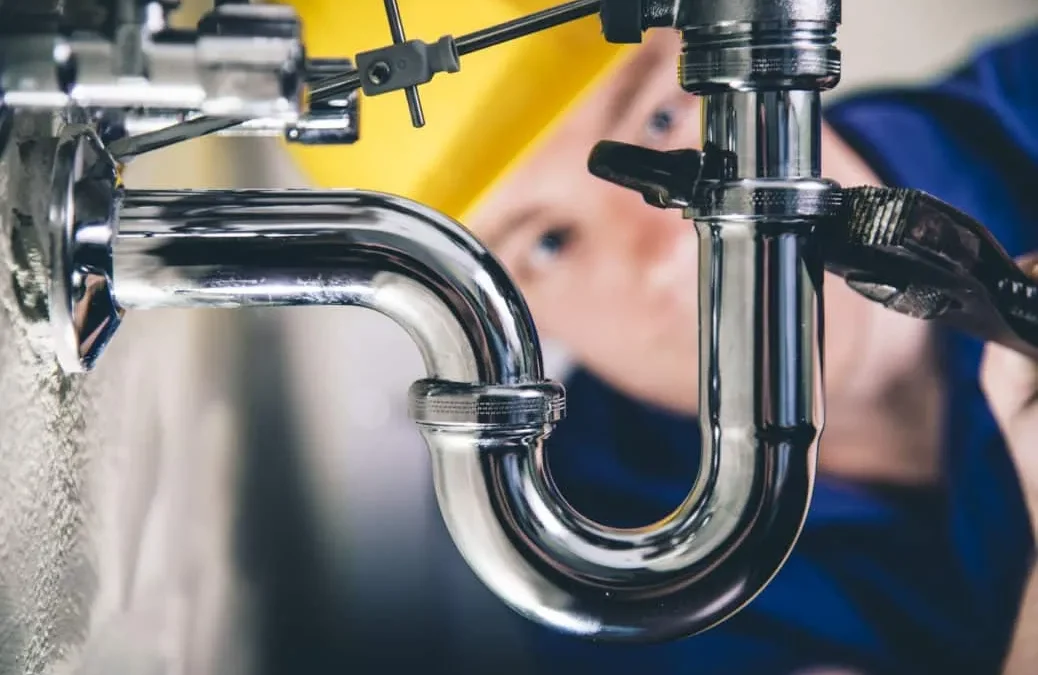
Open cabinets under every sink in your home and look carefully for moisture, water stains, warped wood, or active drips. Check supply lines (the flexible tubes connecting shut-off valves to faucets), drain connections, and garbage disposal units.
Small leaks under sinks often go unnoticed for months because cabinets hide them. By the time you discover the problem, you may have mold growth and rotted cabinetry requiring expensive repairs.
Clean Showerheads and Faucet Aerators
Mineral deposits from Montreal’s water gradually clog showerheads and faucet aerators, reducing water pressure and creating uneven spray patterns. Remove these fixtures and soak them overnight in white vinegar to dissolve buildup, then scrub with an old toothbrush and rinse thoroughly.
This simple cleaning restores full water pressure and improves the efficiency of your plumbing fixtures.
Test All Shut-Off Valves
Every sink, toilet, and water-using appliance should have a shut-off valve allowing you to stop water to that fixture without shutting off your entire home. Spring is a good time to test these valves by turning them off and back on.
Valves that haven’t been operated in years often seize or corrode. If you can’t turn a valve, don’t force it—you may break the valve or pipe. Instead, note which valves need replacement and address them before emergencies occur.
Drain Cleaning and Maintenance
Address Slow Drains Now
If any drains in your home are draining slowly—kitchen sink, bathroom tub, shower, or laundry—spring is the time to address them. Slow drains only get worse and eventually lead to complete blockages or backups.
For minor slowness, try a plunger first. If that doesn’t help, the blockage is deeper in the line and may require professional clearing to fully resolve. Avoid chemical drain cleaners, which can damage pipes and create hazardous conditions.
Schedule Preventive Drain Cleaning
Even if your drains seem fine, preventive professional cleaning removes buildup before it causes problems. This is especially important if you have older pipes, large trees near your sewer line, or a history of drain issues.
Modern techniques like hydro-jetting completely clear pipes by scouring walls with high-pressure water, removing years of grease, soap scum, and debris. This preventive service is far less expensive than emergency drain clearing or sewer line repairs.
Inspect for Sewer Line Issues
If you notice gurgling sounds from drains, multiple fixtures draining slowly at once, or sewage odors, these can indicate problems developing in your main sewer line. Tree roots seeking moisture often infiltrate sewer pipes through small cracks, especially after winter ground movement.
Professional camera inspection allows plumbers to see inside your sewer line and identify blockages, root intrusions, or damage before catastrophic backups occur. Early detection and treatment prevent thousands of dollars in emergency repairs and cleanup.
Appliance and Water Line Checks
Inspect Washing Machine Hoses
Rubber washing machine supply hoses deteriorate over time and can burst without warning, flooding your laundry room and potentially other areas of your home. Check hoses for cracks, bulges, or brittleness. If hoses are more than 5 years old, replace them with braided stainless steel hoses that are far more durable.
Also ensure the standpipe (where the washing machine drains) isn’t clogged. Pour water into it to verify it drains quickly. Slow drainage can cause overflow during wash cycles.
Check Dishwasher Connections
Look under your dishwasher for signs of leaks at supply line connections and the drain hose. Run the dishwasher and inspect carefully during the cycle for any drips or spraying.
Also check that the dishwasher drain hose has a proper high loop or air gap to prevent backflow of dirty water into clean dishes.
Inspect Refrigerator Water Lines
If your refrigerator has an ice maker or water dispenser, inspect the supply line for leaks, kinks, or damage. These lines can freeze during winter if the refrigerator is near an exterior wall, causing cracks that leak once thawed—similar to how frozen pipe damage occurs in exposed plumbing.
When to Call Professional Plumbers
While many spring maintenance tasks are DIY-friendly, some situations require professional expertise and equipment.
Call Professionals For:
- Any active leaks you can’t quickly stop or repair yourself
- Sump pump failures or recurring basement flooding issues
- Multiple slow drains or signs of sewer line problems
- Water heaters more than 10 years old or showing signs of failure
- Outdoor faucets or pipes damaged by freezing
- Any situation involving gas lines or gas appliances
- Comprehensive whole-home plumbing inspections
- Preventive maintenance you’re not comfortable performing
Professional plumbers have specialized tools—like drain cameras, hydro-jetting equipment, and leak detection devices—that identify and resolve problems homeowners can’t handle with basic tools.
Spring Plumbing Maintenance Schedule
Use this timeline to organize your spring plumbing tasks:
Early Spring (March)
- Test sump pump before spring rains
- Check basement for winter water damage
- Inspect water heater and consider flushing
- Test all shut-off valves
Mid-Spring (April)
- Turn on and inspect outdoor faucets
- Reconnect garden hoses and test irrigation
- Check toilets for leaks
- Clean showerheads and aerators
- Inspect under sinks for leaks
Late Spring (May)
- Address any slow drains
- Schedule professional drain cleaning if needed
- Check washing machine and dishwasher hoses
- Test outdoor irrigation systems
- Schedule professional maintenance for any issues found
Preventing Common Spring Plumbing Problems
Basement Flooding Prevention
Beyond sump pump testing, ensure gutters and downspouts direct water away from your foundation. Grade soil around your home so it slopes away from the building. Consider installing a battery backup for your sump pump to ensure it works during power outages that often accompany spring storms.
Outdoor Faucet Freeze Protection
If you experienced frozen outdoor faucets this winter, consider upgrading to frost-free models that place the shut-off valve inside your heated home rather than in the exterior wall. Proper installation of these fixtures prevents freeze damage.
Drain Clog Prevention
Throughout the year, be mindful of what goes down drains. Never pour grease down kitchen sinks, use drain screens to catch hair, and avoid flushing anything except waste and toilet paper. These simple habits prevent most common drain clogs.
Professional Spring Plumbing Service in Montreal
Montreal Plumbing offers comprehensive spring maintenance services designed specifically for Montreal homes recovering from harsh winters. Services include complete plumbing system inspections, sump pump testing and service, water heater flushing and maintenance, drain cleaning and camera inspection, outdoor faucet inspection and repair, leak detection and repair, and customized maintenance plans.
Scheduling professional spring maintenance now prevents emergency calls later and ensures your plumbing system is ready for the demands of the warmer months ahead. Whether you need a single service or complete home inspection, our team provides transparent pricing and quality workmanship.
🌱 Spring Plumbing Maintenance Package
Get your Montreal home’s plumbing ready for spring with our comprehensive maintenance service. We inspect, test, and service key systems to prevent problems before they start.
Call Now: 514-316-9154
Note: All prices mentioned in this article are provided for general reference and informational purposes only. These prices are not fixed and may vary depending on facts, market conditions, location, time, availability, or other relevant factors. Actual prices may change without prior notice. Readers are advised to verify details independently before making any decisions.