
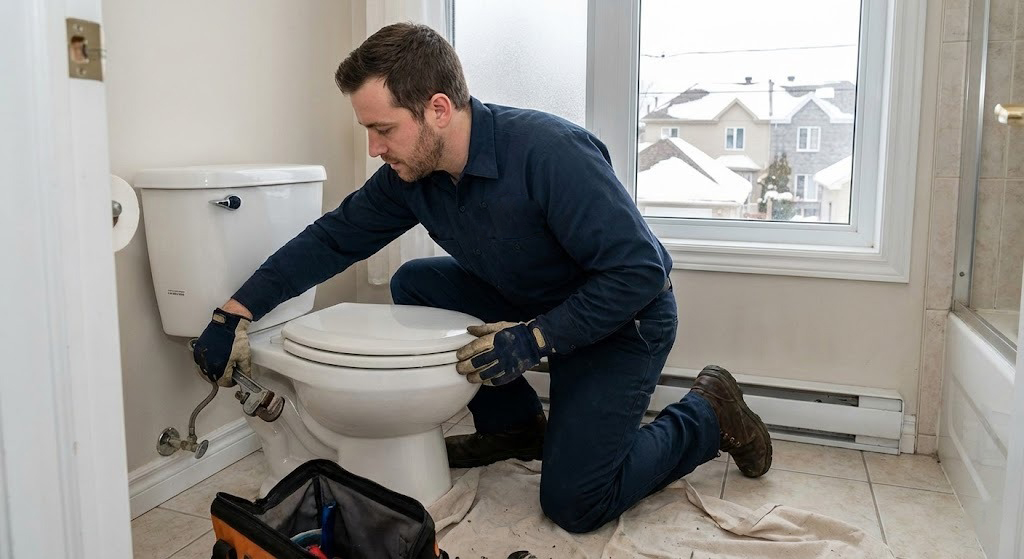
Toilet Problems in Cold Weather: Montreal’s Complete Repair Guide
Your toilet has been working perfectly for months, but suddenly winter arrives and it’s running constantly, flushing weakly, or backing up multiple times a day. Sound familiar? You’re not alone—Montreal’s extreme cold weather creates unique toilet problems that homeowners rarely experience during warmer months . From frozen pipes affecting water flow to condensation causing hidden damage, cold temperatures impact every aspect of toilet performance .
Understanding how winter affects your toilet helps you identify problems early, apply quick fixes when possible, and know when to call professional help. This comprehensive guide covers the most common cold-weather toilet issues Montreal homeowners face, practical DIY solutions, and when expert toilet repair is your best option. Whether you’re dealing with a constantly running toilet, weak flushes, or complete freezing, we’ll help you get your bathroom back to normal. Need immediate assistance? Our toilet repair experts are available 24/7 at 514-316-9154.
Why Cold Weather Causes Toilet Problems in Montreal
Montreal winters are notoriously harsh, with temperatures regularly dropping to -20°C or colder from December through February . These extreme conditions affect your toilet in ways most homeowners don’t anticipate.
Temperature Effects on Water Pressure and Flow
When temperatures plummet, water in your pipes contracts, reducing pressure and slowing flow throughout your plumbing system . This contraction affects how quickly your toilet tank refills after flushing and can result in weak, incomplete flushes. If your toilet is located near an exterior wall or in a basement bathroom, the problem intensifies because these areas experience more dramatic temperature fluctuations.
Air Pressure Changes in Drain Lines
Cold weather impacts the air pressure in your plumbing vents—the pipes that extend through your roof to allow sewer gases to escape and maintain proper drainage . When snow, ice, or frost blocks these vents, air pressure in your drain lines becomes unstable. This causes gurgling sounds when you flush, water levels that rise and fall unpredictably in the bowl, and slow drainage even when there’s no actual clog.
Partial Freezing in Pipes
You don’t need fully frozen pipes to experience toilet problems. Partial freezing—where ice crystals form along pipe walls without completely blocking flow—is extremely common in Montreal’s cold climate . This reduces the diameter of your pipes, slowing water movement and making clogs more likely. Toilets rely on consistent water flow to function properly, so even minor freezing creates noticeable performance issues .
Slower Bacterial Decomposition
Cold temperatures slow down the natural bacterial action that helps break down waste in your plumbing system . During summer, bacteria actively decompose organic matter as it travels through pipes. In winter, this process nearly stops, meaning waste moves through the system in a more solid state. This is why toilets seem to clog more frequently during cold weather—the waste itself doesn’t break down as easily.
Common Winter Toilet Problems and Solutions
Problem #1: Constantly Running Toilet
A toilet that runs continuously is one of the most common winter complaints. The sound of water constantly trickling into the bowl is annoying, wastes significant water, and indicates a problem that needs fixing .
Why It Happens in Winter
Cold temperatures can cause rubber components inside your toilet tank—especially the flapper valve—to become stiff and lose their seal . When the flapper doesn’t sit flush against the flush valve opening, water continuously leaks from the tank into the bowl. Temperature fluctuations also affect the float mechanism that controls when the fill valve shuts off, causing it to malfunction.
DIY Solutions to Try
- Check and adjust the flapper: Remove the tank lid and watch the flapper as the tank refills. If it’s not sealing properly, try cleaning debris from the valve seat or replacing the flapper (a $5-10 part available at any hardware store).
- Adjust the float: If water is running because the tank is overfilling, bend the float arm downward slightly or adjust the float height according to your toilet model’s instructions.
- Inspect the fill valve: Listen for hissing sounds. A faulty fill valve may need adjustment or replacement.
- Warm the bathroom: Increasing the bathroom temperature can help rubber components regain flexibility and seal properly.
When to Call a Professional
If adjusting the flapper and float doesn’t stop the running, or if you’re uncomfortable working inside the toilet tank, professional help ensures the problem is properly diagnosed and fixed . Our toilet repair specialists can quickly identify and resolve running toilet issues.
Problem #2: Weak or Incomplete Flushing
Nothing is more frustrating than a toilet that won’t flush completely, requiring multiple attempts to clear the bowl .
Winter-Specific Causes
Weak flushing during winter usually stems from reduced water pressure due to cold-contracted pipes, partial freezing in supply lines restricting water flow to the tank, or mineral deposits that have settled and hardened in cold water . Sometimes the problem isn’t your toilet at all—it’s frozen or blocked vent pipes on your roof preventing proper air circulation during flushing.
How to Fix It
- Check water pressure throughout your home: If other fixtures also have weak pressure, the issue is with your main water line, not the toilet specifically.
- Inspect pipes for partial freezing: Feel pipes leading to the toilet. If they’re extremely cold or have frost on them, they may be partially frozen. Gently warm them with a hair dryer or space heater (never use open flames).
- Clear vent blockages: Safely check your roof vent pipe for snow or ice accumulation. Carefully clear any blockages you can reach, or call a professional for safe roof access.
- Adjust water level in tank: Ensure the water level in your tank is about 1 inch below the overflow tube. If it’s lower, adjust the float to allow more water.
- Clean jets under the rim: Use a wire hanger or small brush to clear mineral deposits from the jets around the bowl rim where water flows during flushing.
If these steps don’t restore proper flushing, the problem may be more complex, requiring professional assessment .
Problem #3: Toilet Won’t Flush at All
When your toilet completely stops flushing, it’s typically due to frozen pipes or a mechanical failure .
Frozen Supply Line
A frozen supply line prevents water from reaching the tank, so there’s nothing to flush with . You’ll notice the tank stays empty or doesn’t refill after flushing. This commonly occurs in bathrooms on exterior walls, unheated basements, or rooms with poor insulation.
Frozen Drain Line
Less common but more serious, a frozen drain line prevents waste from leaving the toilet . When you flush, water and waste don’t go down—they may even back up into the bowl. This requires immediate professional attention to prevent sewage backup.
Emergency Steps
- Increase room temperature: Turn up the heat, open cabinet doors to allow warm air to reach pipes, and close windows/doors to trap warmth.
- Never pour boiling water directly into a cold toilet bowl: The extreme temperature difference can crack the porcelain. Use warm (not boiling) water if you need to add water to the bowl .
- Gently thaw supply pipes: Use a hair dryer, heating pad, or towels soaked in warm water to slowly thaw frozen sections. Start from the tap end and work toward the frozen area .
- Allow 30-60 minutes for thawing: Frozen pipes need time to safely thaw. Rushing the process can cause pipes to crack .
If you can’t locate the freeze, the problem is likely deep in your plumbing, or if you’re uncomfortable attempting to thaw pipes yourself, call our emergency plumbers at 514-316-9154 immediately .
Problem #4: Frequent Clogs
Toilets that clog easily or frequently during winter, even with normal use, signal underlying cold-weather issues .
Why Winter Clogs Happen More Often
Cold temperatures slow bacterial decomposition, meaning waste remains more solid as it travels through pipes . Partial freezing reduces pipe diameter, making it easier for waste to get stuck. Additionally, if your main drain line has partial blockages from tree roots or buildup, cold weather exacerbates these existing problems.
Prevention and Solutions
- Flush in stages: During extreme cold, flush smaller amounts at a time rather than loading the toilet with excess paper .
- Use less toilet paper: Reduce the amount per flush, especially if you know your system is sensitive.
- Never flush anything besides waste and toilet paper: “Flushable” wipes aren’t truly flushable and cause major winter clogs.
- Keep bathrooms warm: Maintaining consistent warmth prevents partial freezing that contributes to clogs.
- Pour warm water periodically: Once a day, pour a bucket of warm (not boiling) water directly into the toilet bowl to help maintain flow through drain lines .
Recurring clogs despite these precautions suggest a deeper problem in your drain line that needs professional clearing. Our drain cleaning services can identify and remove blockages causing winter toilet clogs.
Problem #5: Condensation and Tank Sweating
During winter, you might notice water droplets forming on the outside of your toilet tank—a phenomenon called “tank sweating” .
Why It Happens
Tank sweating occurs when cold water fills the tank, cooling its surface below the dew point of your warm, humid bathroom air . Moisture from the air condenses on the cold tank surface, creating visible water droplets. While this seems minor, persistent condensation can damage floors, encourage mold growth behind the toilet, and rot nearby wood structures.
Solutions for Tank Condensation
- Improve bathroom ventilation: Run exhaust fans during and after showers to reduce humidity. Open windows briefly when weather permits.
- Use a dehumidifier: If your bathroom consistently feels humid, a small dehumidifier can maintain comfortable moisture levels .
- Install a tank liner: Anti-condensation liners insulate the tank interior, keeping the outside surface warmer and preventing condensation .
- Adjust indoor humidity: If multiple rooms show condensation issues, your whole-home humidity may be too high. Reduce it gradually using dehumidifiers or by adjusting your HVAC system.
Problem #6: Gurgling and Bubbling Sounds
Strange noises from your toilet—gurgling, bubbling, or hissing—indicate air pressure problems in your drain system .
What Causes These Sounds
Plumbing vent pipes that extend through your roof allow air into the drainage system, preventing vacuum pressure that would slow drainage . During winter, these vents can become blocked by snow, ice, or frost. When air can’t enter through vents, it tries to enter through water in toilet bowls, creating gurgling sounds as air bubbles up through the water .
Fixing Gurgling Toilets
- Check your roof vent: Safely inspect the vent pipe on your roof. Clear away snow or ice blocking the opening.
- Look for drain line blockages: If multiple fixtures gurgle, the problem may be a blockage in your main drain rather than just the vent.
- Ensure proper drainage: Slow drainage combined with gurgling suggests a partial clog that needs professional cleaning.
Persistent gurgling despite clearing vents indicates a problem requiring professional diagnosis . Blocked or damaged vent pipes inside walls need expert repair.
Preventing Winter Toilet Problems in Montreal
Prevention is always easier and cheaper than repairs. These proactive steps help your toilet survive Montreal’s brutal winters without problems .
Maintain Consistent Bathroom Temperature
Never let bathroom temperatures drop below 15°C, even when you’re away from home . Consistent warmth prevents pipes from freezing and keeps toilet components functioning properly. If you’re traveling during winter, leave heat on at reduced temperature—turning it off completely risks frozen pipes and damaged toilets.
Insulate Vulnerable Pipes
Wrap exposed pipes leading to your toilet with foam pipe insulation, especially those running through unheated spaces or exterior walls . Professional pipe insulation services ensure complete coverage and code-compliant materials that withstand Montreal winters.
Let Faucets Drip During Extreme Cold
When temperatures drop below -20°C, let a nearby faucet drip slightly overnight . Moving water is much less likely to freeze than standing water. This small precaution can prevent frozen supply lines that affect toilet function.
Keep Cabinet Doors Open
If your toilet is installed against an exterior wall, open nearby cabinet doors to allow warm air to circulate around pipes . This simple step makes a significant difference in preventing freezing.
Schedule Pre-Winter Plumbing Inspection
Before winter arrives, have a professional plumber inspect your bathroom plumbing for vulnerabilities . We can identify weak points, recommend insulation improvements, and ensure your toilet is in good working condition before cold weather stress begins. Our maintenance services include comprehensive winter preparation inspections.
Replace Aging Toilet Components
If your toilet is more than 10 years old, consider replacing internal components like the flapper, fill valve, and flush valve before winter . Fresh rubber components seal better in cold temperatures and are less likely to fail during the coldest months. This preventive investment costs $30-50 and prevents much more expensive emergency repairs.
When to Replace vs. Repair Your Toilet
Sometimes toilet problems indicate it’s time for a full replacement rather than ongoing repairs .
Signs You Need a New Toilet
- Age over 20 years: Older toilets use significantly more water per flush (13-26 liters) compared to modern efficient models (4.8-6 liters).
- Frequent repairs: If you’re calling for service multiple times per year, replacement becomes more economical.
- Visible cracks: Cracks in the porcelain tank or bowl can worsen over time and eventually cause flooding.
- Persistent leaks: Leaks at the base that return after repairs often indicate a damaged wax ring or toilet flange that’s easier to address during replacement.
- Poor performance: Constant clogs or weak flushing despite repairs means the toilet design is inadequate for your needs.
Benefits of Modern Toilet Upgrades
New toilets offer significant advantages over older models :
- Water savings: High-efficiency models reduce water use by 60% or more, lowering monthly bills.
- Powerful flushing: Modern designs provide stronger, more complete flushes with less water.
- Comfort height options: Taller bowls are easier to use, especially for elderly household members.
- Quiet operation: New fill valves and flush systems operate much more quietly.
- Cold-weather durability: Modern materials and construction better withstand freeze-thaw cycles.
Our toilet installation services include professional recommendations for the best model for your needs, expert installation with warranty coverage, and disposal of your old toilet. We can complete most installations in 2-3 hours with minimal disruption.
Consider Bidet Installation for Enhanced Comfort
While addressing toilet problems, many Montreal homeowners discover the benefits of adding a bidet attachment or installing a dedicated bidet .
Why Bidets Are Gaining Popularity
Bidets provide superior hygiene compared to toilet paper alone, reduce toilet paper consumption (and costs), are gentler on sensitive skin, and offer warm water options particularly appreciated during cold Montreal winters. Modern bidet toilet seats and attachments are affordable and easy to install.
Types of Bidet Options
- Bidet attachments: Install under existing toilet seats ($30-100, DIY-friendly)
- Bidet toilet seats: Replace your current seat with an integrated bidet ($200-800, professional installation recommended)
- Standalone bidets: Separate fixture requiring dedicated plumbing ($400-2,000 installed)
Our experienced plumbers provide professional bidet installation services throughout Montreal. We ensure proper connection to your water supply, electrical hookup for heated models if needed, and testing to confirm everything works perfectly.
Emergency Toilet Repair: What to Do Before We Arrive
When toilet problems escalate to emergencies—overflowing, sewage backup, or complete failure—knowing what to do before professional help arrives can prevent extensive damage .
For Overflowing Toilets
- Stop the water flow: Remove the tank lid and lift the float ball or cup to stop water from entering the bowl, or turn off the water supply valve behind the toilet (turn clockwise).
- Don’t keep flushing: Additional flushes only add more water, making the overflow worse.
- Contain the spill: Use towels to create a barrier and prevent water from spreading to other rooms.
- Call for emergency service: Contact us at 514-316-9154 for 24/7 emergency toilet repair.
For Sewage Backup
- Don’t use any plumbing: Avoid using sinks, showers, or toilets—everything drains to the same blocked line.
- Evacuate the area: Sewage contains harmful bacteria and should not be contacted.
- Turn off water at the main: If backup is severe, shut off your home’s main water supply.
- Call immediately: Sewage backup requires emergency professional attention at 514-316-9154.
For Frozen Toilets
- Increase heat gradually: Warm the room slowly—never use open flames or boiling water.
- Don’t force flushing: Attempting to flush a frozen toilet can crack the porcelain or damage the drainage system.
- Call for professional thawing: We have safe, effective equipment to thaw frozen toilet pipes without damage.
Professional Toilet Services in Montreal
Montreal Plumbing provides comprehensive toilet services throughout Montreal, Laval, and South Shore communities .
Our Toilet Services Include
- Emergency repairs: 24/7 response for toilet emergencies including overflows, sewage backup, and complete failures
- Running toilet fixes: Diagnosis and repair of continuously running toilets, including flapper and fill valve replacement
- Clog removal: Professional clearing of stubborn toilet clogs using specialized equipment
- Leak repairs: Fixing leaks at the base, tank connections, or supply lines
- Complete installations: New toilet installation including removal of old unit, proper sealing, and testing
- Bidet installation: Professional installation of bidet attachments, seats, or standalone units
- Wax ring replacement: Resealing toilets that leak at the base
- Toilet flange repair: Fixing or replacing damaged flanges that cause rocking or leaking
Why Choose Our Toilet Repair Services
When you call Montreal Plumbing for toilet repair or installation, you get :
- 24/7 emergency availability: We’re here when you need us most, including holidays and weekends
- Transparent pricing: Clear quotes before work begins, no hidden fees or surprises
- Quality parts: We use manufacturer-approved, high-quality replacement components
- Guaranteed work: Our repairs and installations come with service guarantees
- Respectful service: We treat your home with care, using floor protection and cleaning up thoroughly
- Honest recommendations: We’ll tell you when repair makes sense and when replacement is the better investment
Frequently Asked Questions About Winter Toilet Problems
Can a toilet really freeze and crack?
Yes, though it’s uncommon in heated homes . The toilet bowl and tank contain water that can freeze if temperatures drop low enough. When water freezes, it expands, potentially cracking porcelain . This typically only happens in unheated spaces like vacation homes, garages, or during extended power outages. The supply and drain pipes are much more likely to freeze than the toilet itself.
Why does my toilet flush fine during summer but has problems in winter?
Cold weather affects water pressure, pipe diameter (through partial freezing), and waste decomposition rates . These factors don’t exist during warmer months, which is why your toilet performs differently season to season. Additionally, vent pipes that work fine in summer can become blocked by ice and snow in winter.
How can I tell if my toilet vent is blocked?
Signs of blocked vents include gurgling sounds when flushing, slow drainage, water levels that rise and fall in the bowl, and unpleasant sewer smells . If multiple plumbing fixtures show these symptoms simultaneously, a blocked vent is the likely cause.
Is it normal for toilets to clog more in winter?
Yes, colder temperatures slow bacterial decomposition of waste, partially frozen pipes reduce drainage capacity, and increased indoor activity during winter puts more demand on your plumbing system . These factors combine to make winter clogs more frequent than those in other seasons.
Should I worry about condensation on my toilet tank?
While condensation itself isn’t dangerous, persistent moisture can damage floors, promote mold growth, and rot wooden structures near the toilet . If you see regular condensation, improve bathroom ventilation or install a tank liner to prevent long-term damage.
How much does toilet repair cost in Montreal?
Simple repairs like replacing a flapper or fill valve typically cost $150-$250 including labor and parts . More complex repairs range from $250-$500 depending on the issue. Emergency service outside regular business hours may include surcharges. We always provide clear pricing before beginning work.
When should I call a plumber instead of trying DIY fixes?
Call a professional plumber if you see water leaking at the toilet base, experience sewage backup or overflow, find visible cracks in porcelain, can’t identify the source of the problem, have tried basic fixes without success, or are uncomfortable working on plumbing . DIY repairs are fine for simple issues, but complex problems require expert diagnosis and proper tools.
Get Expert Toilet Repair in Montreal Today
Don’t let toilet problems disrupt your home this winter. Whether you need emergency repair for an overflowing toilet, routine fixes for running or weak flushing issues, professional installation of a new efficient model, or bidet installation for enhanced comfort, Montreal Plumbing is here to help .
Our experienced plumbers understand Montreal’s unique cold-weather challenges and provide fast, reliable solutions that last. We’re available 24/7 for emergencies and offer same-day service for urgent repairs throughout Montreal, Laval, and surrounding areas.
Call us now at 514-316-9154 for immediate assistance with any toilet problem. We provide free phone consultations, transparent pricing, and guaranteed workmanship on all repairs and installations.
🚨 24/7 Emergency Toilet Repair
Toilet overflowing? Won’t flush? Sewage backup? We respond immediately to toilet emergencies throughout Montreal with fast, professional service.
Call Now: 514-316-9154
Keep Your Bathroom Working Perfectly All Winter
Professional toilet service ensures reliable performance even during Montreal’s coldest weather. From simple repairs to complete installations, we deliver expert solutions you can count on.
📞 Call: 514-316-9154
📧 Email: Contact Us Online
Serving all Montreal neighborhoods including Downtown, Plateau-Mont-Royal, Rosemont, Verdun, NDG, Westmount, Outremont, Ville-Marie, and surrounding areas including Laval and South Shore communities.